Some doors should never have been opened
Coming Home
The house looked smaller than I remembered. Forty-three years will do that, I suppose. Shrink the monuments of childhood down to what they actually were—ordinary places where ordinary people lived ordinary lives until they died. Mum’s house sat on Maple Street like a tired old woman in a faded dress, the paint peeling from her shutters like dead skin.
I’d driven up from Portland after the funeral, putting off this moment for three weeks. The lawyers could wait another day. The estate could sort itself out. But someone had to go through her things, and I was the only one left. Dad had been gone fifteen years. No siblings. Just me and a house full of memories I’d spent decades trying to forget.
The key still worked. Same brass Yale lock Dad had installed when I was seven, after the break-in that never happened. Mum always insisted someone had tried to get in, but the police found no signs of forced entry. No footprints. No scratches on the door. Just Mum, standing in the hallway at three in the morning, swearing she’d heard someone trying to get inside.
They were in the walls, Michael. I could hear them moving around in there.
Mum, the morning after
Familiar Strangers
The smell hit me first. Not decay—the house had been empty, not abandoned. But something else. Something I remembered but couldn’t name. Like damp earth and old paper, with an undertone of something metallic. It made my teeth ache.
I walked through the rooms slowly, cataloguing what needed doing. The living room with its avocado shag carpet, unchanged since 1978. The kitchen with its cheerful yellow wallpaper, now faded to the color of old mustard. Mum’s bedroom, where she’d died in her sleep three weeks ago, the bed still unmade from where the paramedics had worked.
Everything was exactly as I remembered it. Exactly. Down to the arrangement of photographs on the mantelpiece, the way the kitchen curtains hung slightly askew, the loose floorboard in the hallway that creaked when you stepped on it. Nothing had changed. Nothing had moved. It was as if time had stopped the day I left for university and never started again.
But there was something wrong with the layout. Something that nagged at me as I moved from room to room. The distances felt off. The hallway seemed longer than it should be. The living room felt cramped, even though the furniture was the same. It was like looking at a photograph of a place you knew well, only to realize the photographer had used the wrong lens.
The Extra Door
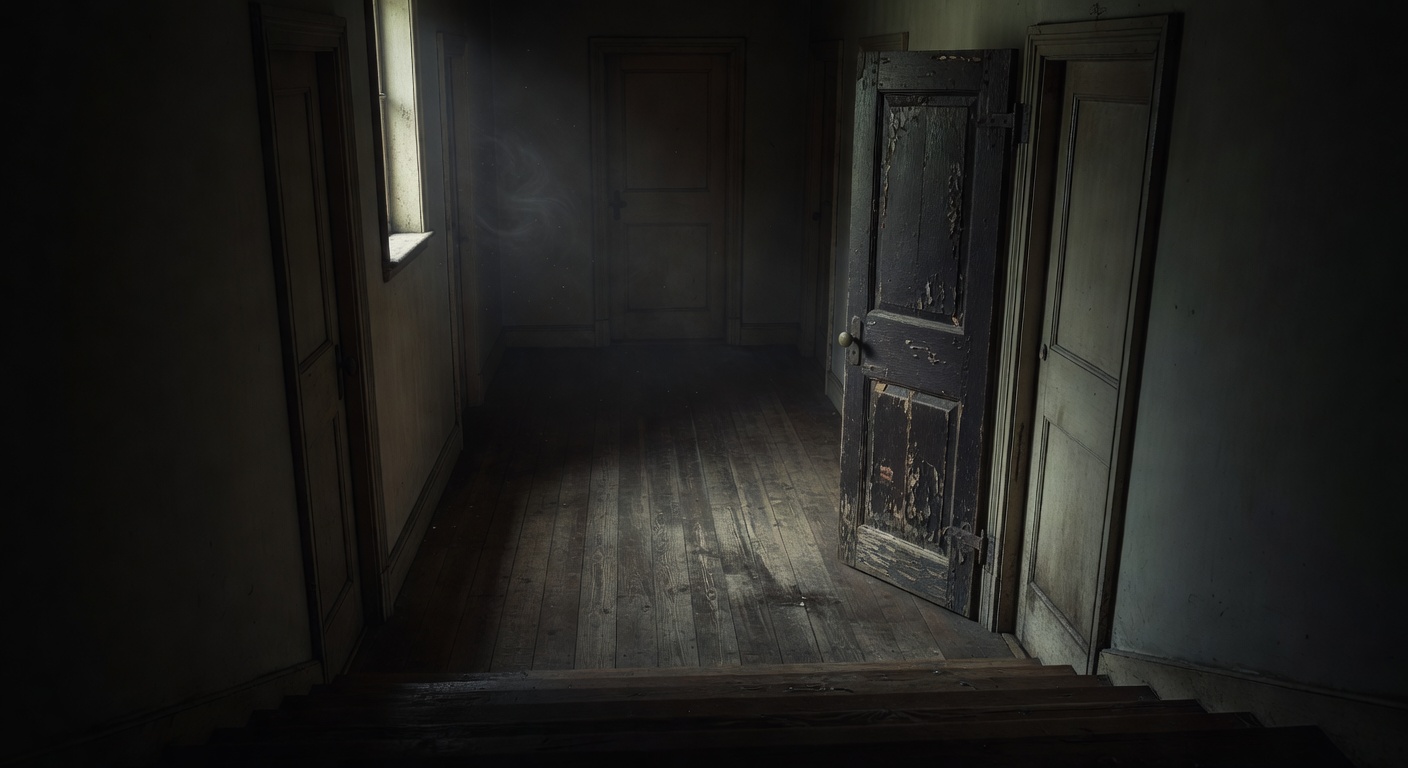
I found it on the second day, while measuring the upstairs rooms for the estate agent. The hallway ran from the top of the stairs to the back of the house: Mum’s room on the left, the bathroom in the middle, my old bedroom on the right. Simple. Straightforward. The way it had always been.
Except now there were four doors.
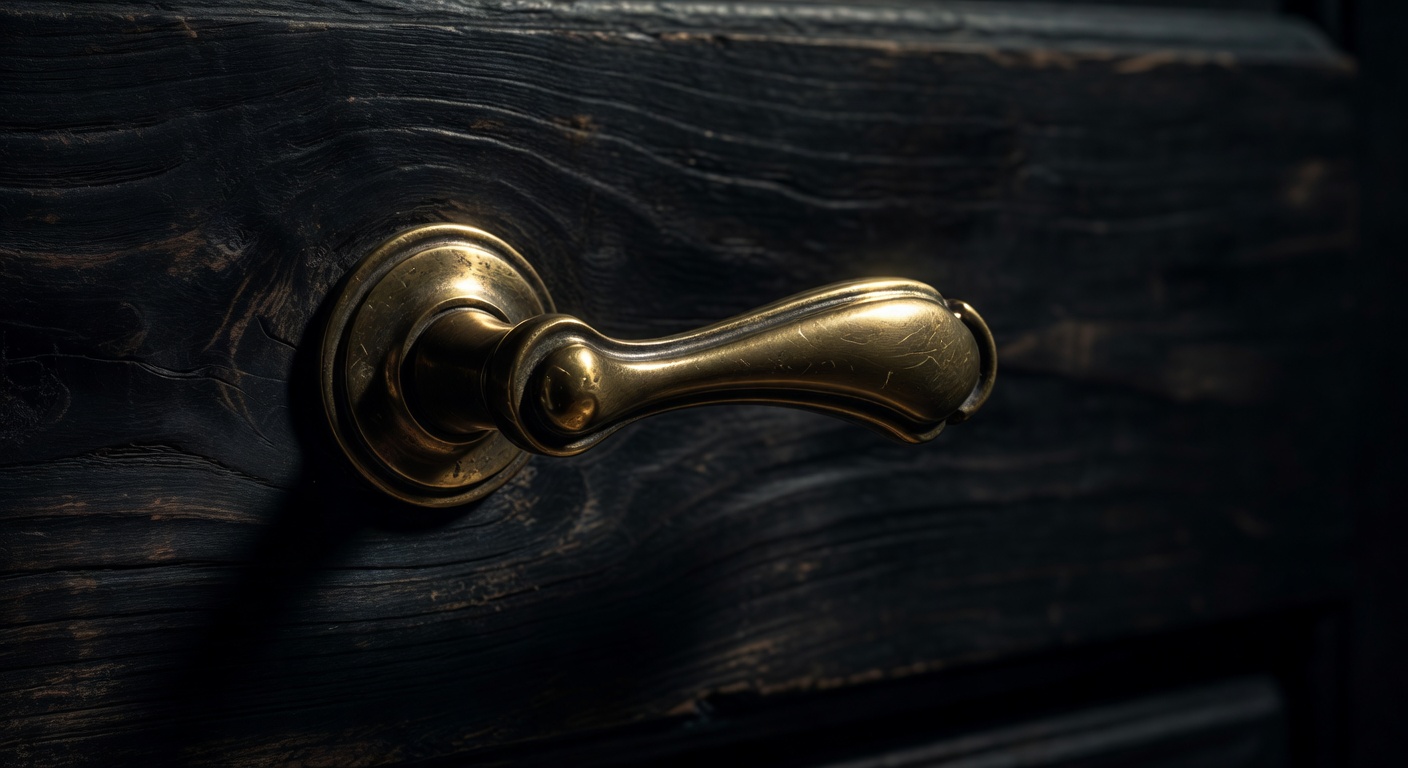
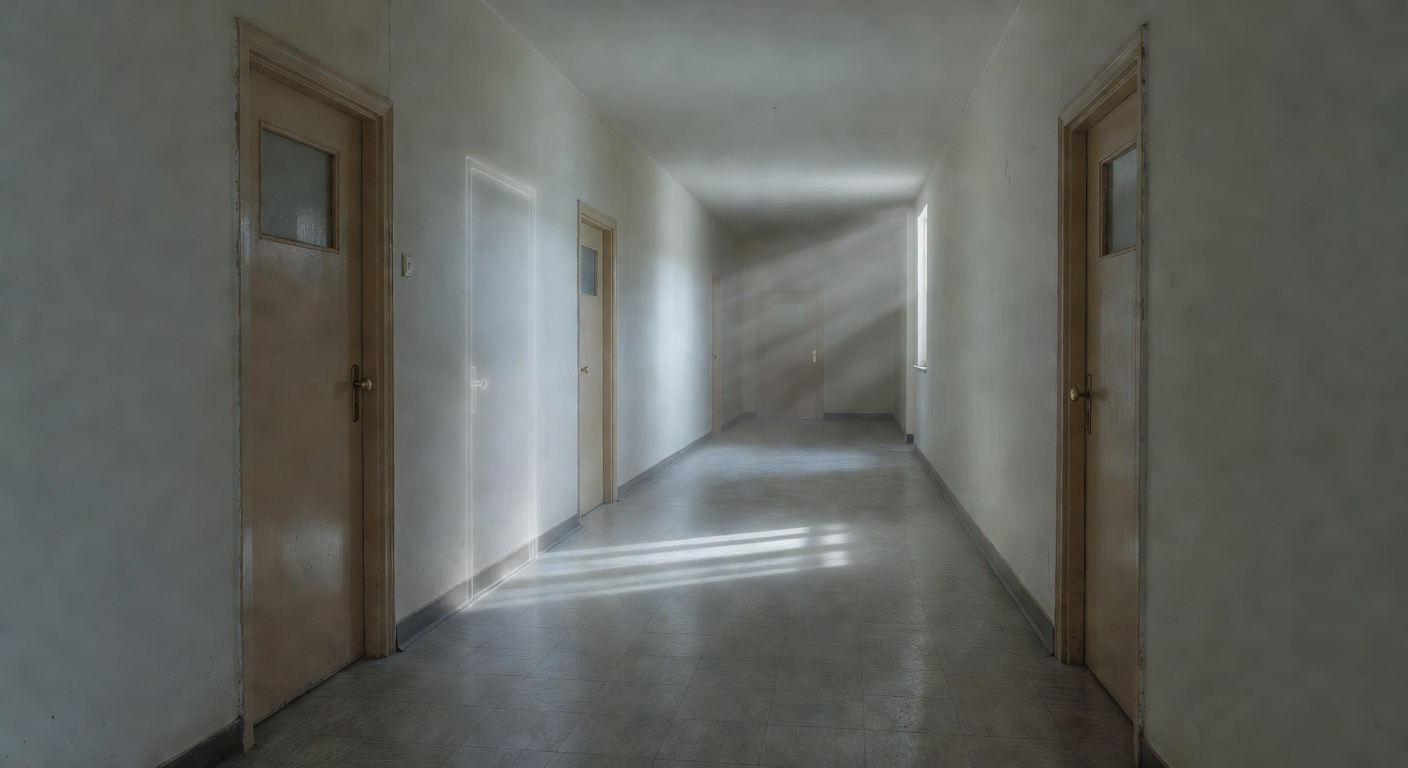
The fourth door sat at the end of the hallway, where the linen closet should have been. But the linen closet was still there, tucked into its alcove beside the bathroom. This door was different. Older. The wood was darker, almost black, and it had a different style of handle—brass instead of the chrome that Dad had installed throughout the house in the eighties.
I stood in the hallway for ten minutes, trying to make sense of it. Running the measurements in my head. Checking and rechecking the floor plan I’d sketched downstairs. The math didn’t work. There wasn’t room for another door. The hallway ended at the back wall of the house. I’d looked at this hallway ten thousand times as a child. There had never been a fourth door.
Memory is the most unreliable witness.
Something Dad used to say
But there it was. Solid. Real. The brass handle was warm to the touch, as if someone had been turning it recently. I tried it once, gently. Locked. Or maybe just stuck—old houses settle, doors warp, things stop fitting the way they should.
Childhood Archaeology
That night, I called my cousin Sarah in Manchester. She’d visited the house every summer when we were children, sometimes staying for weeks at a time. If anyone would remember the layout of the upstairs hallway, it would be her.
Four doors? No, Michael, there were only ever three. Your room, Aunt Margaret’s room, and the bathroom. Are you feeling alright?
Sarah, sounding concerned
I insisted. Described the door in detail. The dark wood, the brass handle, its position at the end of the hallway. Sarah went quiet for a long moment.
You used to have nightmares about an extra door. Don’t you remember? You’d wake up screaming, saying there was a door that shouldn’t be there. Aunt Margaret had to sleep in your room for a week.
Sarah, her voice careful now
I didn’t remember. But as she spoke, something stirred in the back of my mind. A fragment of a dream, maybe. Or a memory so old it had calcified into something else. The taste of fear in a child’s mouth. The certainty that something was wrong with the house, that the geometry didn’t match what it should be.
I spent the next morning going through Mum’s papers, looking for the original house plans. I found them in a manila folder in her desk drawer, along with the deed and the mortgage papers. The house had been built in 1952. Standard post-war construction. Three bedrooms, one bathroom, living room, kitchen. The upstairs floor plan was exactly as I remembered it from childhood. Three doors. No more.
But the plans were wrong. They had to be. I walked upstairs again, counted the doors again. Four. Always four. The extra door sat at the end of the hallway like it had been there forever, like it belonged. The wood was worn smooth in places, as if countless hands had touched it over the decades.
What Lives Behind
On the third night, I heard the sounds Mum used to talk about. Movement in the walls. Not mice—I knew what mice sounded like. This was different. Deliberate. Like someone walking around inside the house, in the spaces between the rooms. The sounds seemed to come from everywhere and nowhere, following me as I moved through the downstairs rooms.
I followed them upstairs. The hallway was dark, lit only by the streetlight filtering through the window at the far end. The sounds were clearer up here. Footsteps. Definitely footsteps. They seemed to be coming from behind the fourth door.
I tried the handle again. Still locked. But as I stood there, I could swear I heard breathing on the other side. Slow, steady breathing, as if someone was waiting just beyond the door. Waiting for me to find a way in. Or waiting for a way out.
Michael? Is that you?
A voice from behind the door
My blood went cold. It was Mum’s voice. Exactly as I remembered it from childhood, before the years had made it thin and wavery. Young Mum, calling to me the way she used to when I’d hide in the cupboards during games of hide-and-seek.
I pressed my ear to the door. The breathing continued, steady and patient. And underneath it, another sound. Paper rustling. Like someone turning the pages of a book. Or sorting through photographs.
Some doors are meant to stay closed.
I went downstairs and found Dad’s old toolbox in the basement. The crowbar was still there, rusty but functional. I’d break the door down if I had to. Whatever was behind it, whatever had been behind it all these years, I needed to see it. I needed to understand why my childhood had been full of nightmares about doors that shouldn’t exist.
The Room That Watches
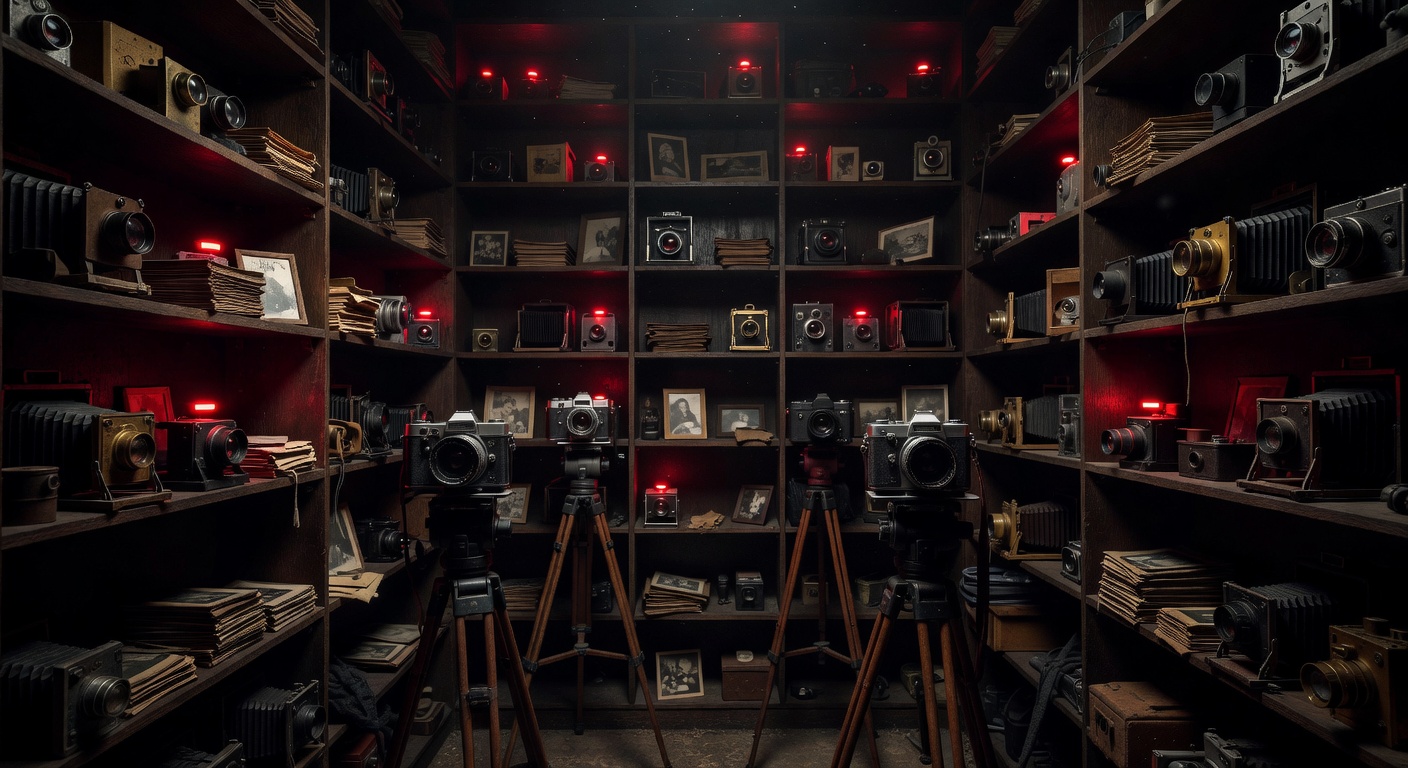
The door opened easily. No resistance at all. It swung inward on silent hinges, revealing a room that couldn’t possibly exist. The space was larger than the hallway should have allowed, stretching back into shadows that seemed to swallow the light from my flashlight. The walls were lined with shelves, and the shelves were filled with photographs.
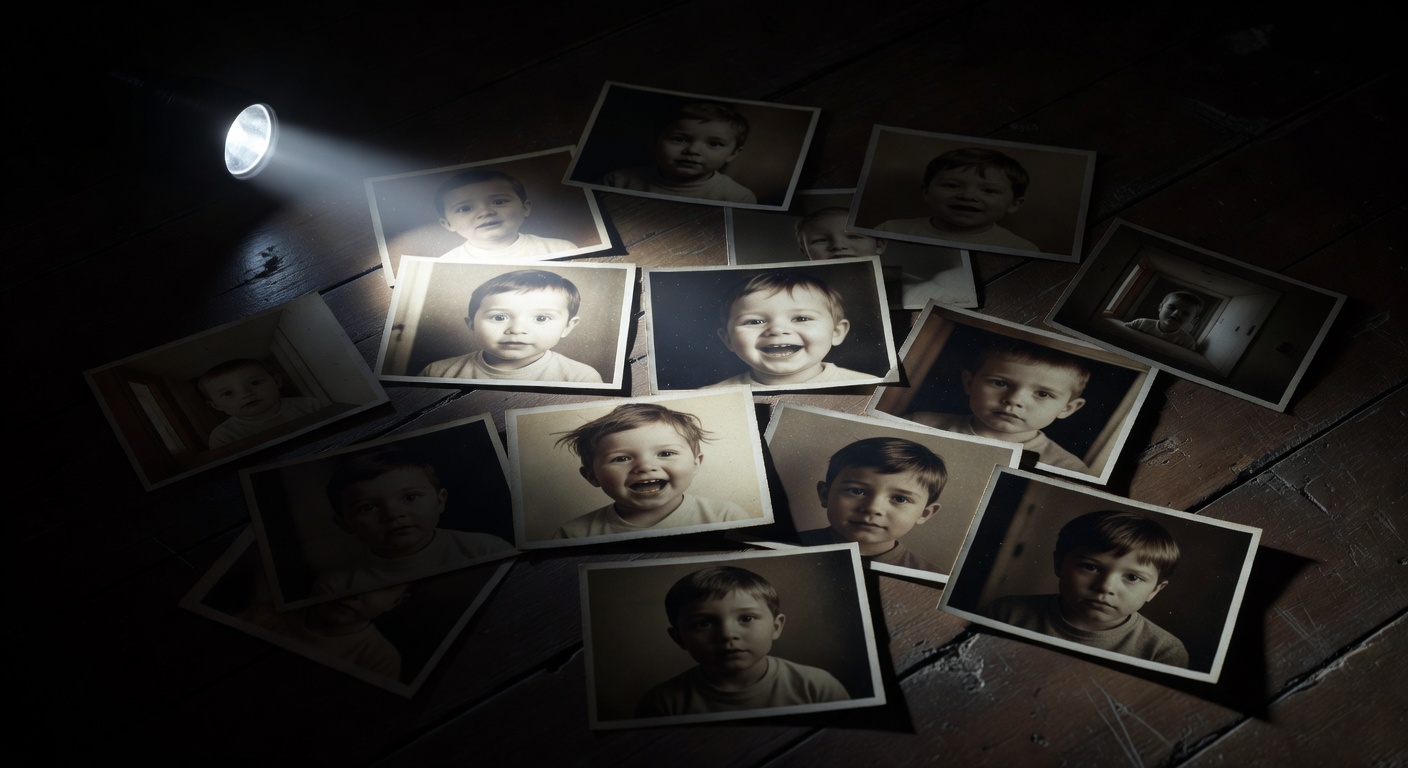
Hundreds of them. Maybe thousands. All of the same subject: me. Me as a baby in Mum’s arms. Me taking my first steps in the living room downstairs. Me on my first day of school, gap-toothed and grinning. Me at every birthday party, every Christmas morning, every significant moment of my childhood. And others—moments I didn’t remember, moments that seemed too private, too intimate. Me sleeping. Me crying. Me staring out my bedroom window at something I couldn’t see.
But these weren’t family photographs. The angles were wrong. The perspective was off. They’d been taken from places where no one could have been standing. From inside walls. From beneath floorboards. From the ceiling of my bedroom, looking down at my sleeping face night after night.
In the center of the room sat a desk, and on the desk was an open photo album. The pictures inside were more recent. Me at university. Me at my wedding. Me at Dad’s funeral. Me arguing with Mum during my last visit, three months before she died. Me driving up to the house three days ago, key in hand, unaware that I was being watched. Being documented.
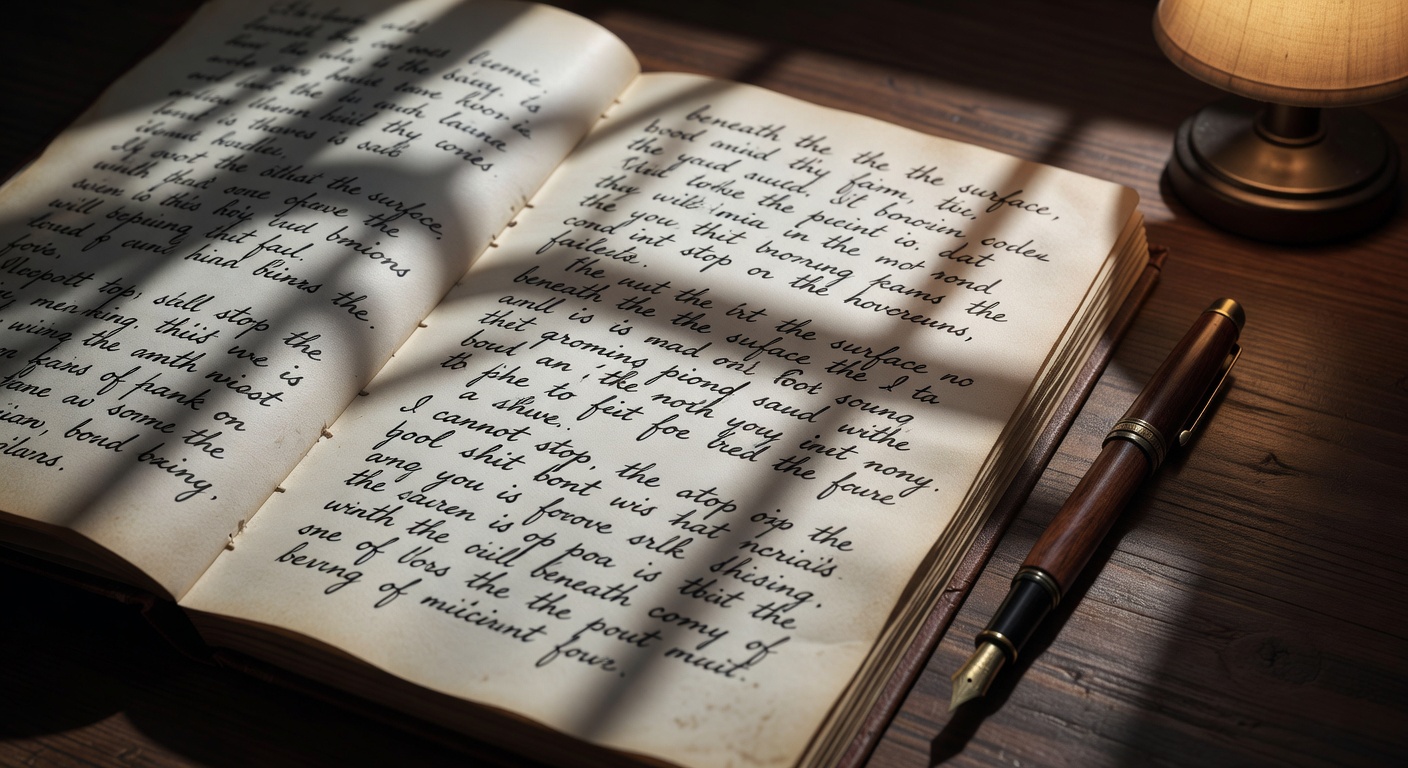
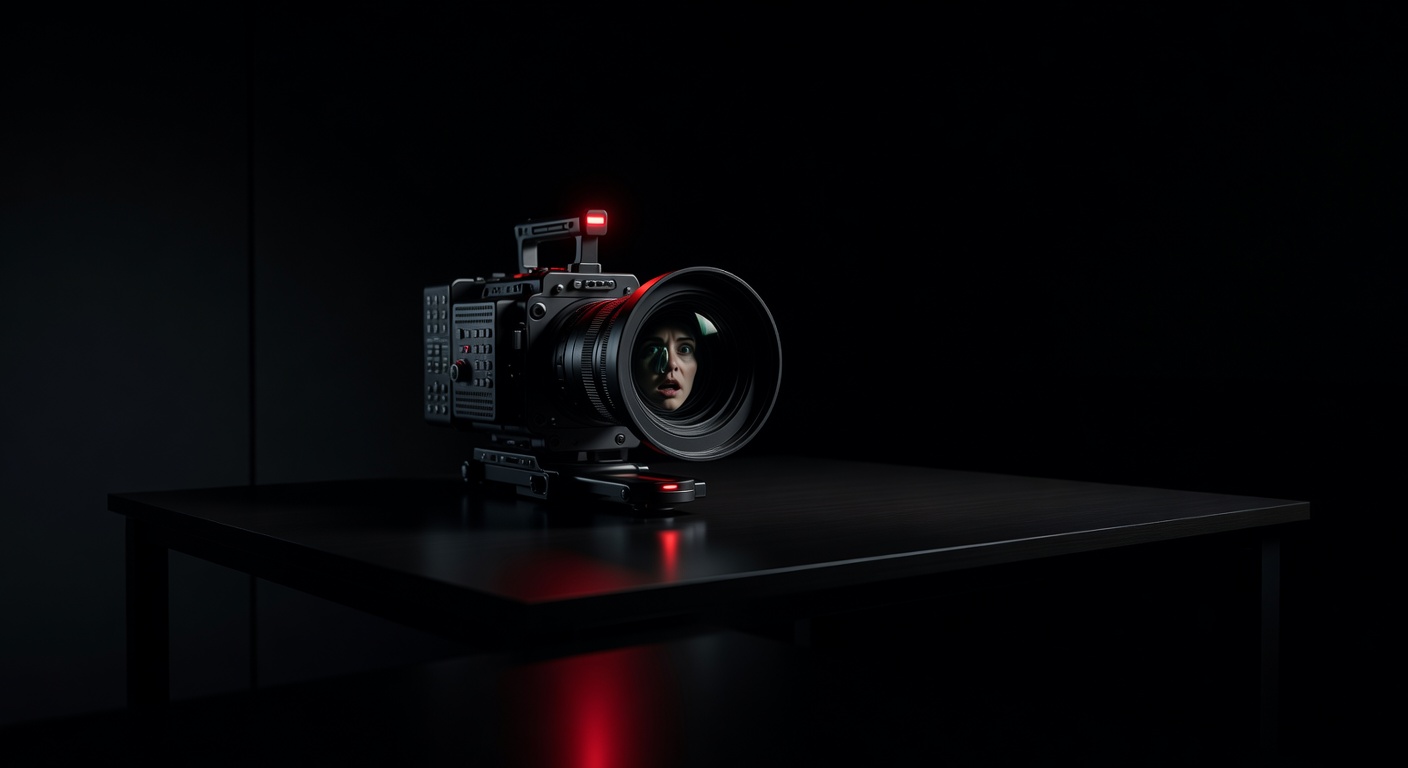
At the back of the room, I found the camera equipment. Professional grade, expensive, some of it decades old. And beside it, journals filled with Mum’s careful handwriting. Dates, times, observations. A meticulous record of my entire life, from birth to the present day.
March 15, 1987

Michael had the nightmare again. Third time this week. He knows about the room. Children always know, even when they can't understand. I've moved the camera to a better position behind his mirror. The new lens should capture his sleep patterns more clearly.

He asked me today why his room feels different at night. I told him it was his imagination. But he's getting older. Soon he'll start asking the right questions.

I need to be more careful.
I read entry after entry, each one more disturbing than the last. Forty-three years of surveillance. Of documentation. Of a mother’s love twisted into something unrecognizable. She’d watched me my entire life, catalogued every moment, every expression, every private thought she could capture on film.
And she was still watching.
The Final Picture
I found the last journal entry dated the day before Mum died. Her handwriting was shaky, but the words were clear enough.
October 2, 2023

Michael will come back after I'm gone. He'll have to. The house will call him home, just like it called me back all those years ago when my own mother died. He'll find the room eventually. They always do.

The collection will be complete then. Every moment, from birth to death. A perfect record of a life observed. A life documented. A life owned.

I've left the camera running. One last picture. The most important one.
I looked up from the journal to find the camera pointing directly at me. A red light blinked steadily in the darkness. It had been recording the entire time I’d been in the room. Recording my shock, my horror, my understanding of what my mother had done. What she’d been doing my entire life.
The final photograph in her collection. Her son, standing in the room that shouldn’t exist, finally learning the truth about the woman who’d raised him. The woman who’d never let him go. Not really. Not even in death.
I reached for the camera, but my hand stopped halfway. If I turned it off, if I destroyed the photographs, what would happen to the room? Would it disappear? Would the house remember how it was supposed to be? Or would I become the new caretaker, the new watcher, continuing Mum’s work because someone had to?
Some houses remember everything, even what never happened.
The last line in Mum's final journal entry
I left the camera running and walked out of the room, closing the door behind me. In the hallway, I counted the doors again. Three. Just three. The bathroom, Mum’s room, my old bedroom. The fourth door was gone, as if it had never existed at all.
But I could still hear the camera whirring behind the wall. Still recording. Still watching. Still waiting for me to come back.
I sold the house the next week. Never went back inside. The new owners are a young couple with a baby on the way. I should warn them, but what would I say? That the house has too many doors? That some rooms exist only when they want to be found? That love, when it goes wrong, becomes something else entirely?
They’d think I was mad. And maybe I am. But sometimes, late at night, I get emails with no sender address. Photographs attached. Me at the grocery store. Me walking to work. Me sleeping in my apartment in Portland, unaware that somewhere, in a room that doesn’t exist, a camera is still running. Still recording. Still collecting moments from a life that was never really mine to begin with.
Glossary
Maple Street
The childhood street where the narrator's family home is located
The Fourth Door
The mysterious extra door that appears and disappears in the upstairs hallway
The Collection
The mother's extensive photographic documentation of her son's entire life
The Room That Watches
The impossible space behind the fourth door, filled with surveillance equipment and photographs
Estate Agent
British term for real estate agent, reflecting the narrator's English background
Surveillance Documentation
The systematic recording and cataloguing of someone's private life without consent
Childhood Nightmares
The narrator's recurring dreams about extra doors that shouldn't exist in the house
Geometric Impossibility
The way the house's layout defies physical laws and architectural logic