When love is a performance and trust is currency
Sarah Chen was forty-three and tired of being alone. Not the romantic kind of tired that makes you download dating apps at 2 AM after three glasses of wine. The bone-deep kind that settles in when you realize your last meaningful conversation was with the barista who spelled your name wrong on your coffee cup. She’d been divorced for six years, her daughter was away at college, and the house in Portland felt like a museum of a life she no longer recognized.
That’s when Marcus Williams slid into her DMs on Instagram. Not with a crude pickup line or unsolicited photo, but with a comment about her book review of Elena Ferrante’s Neapolitan novels. He’d read them too, he said. Found them devastating in the best possible way. The conversation that followed lasted three hours and felt like coming up for air after being underwater for years.
Marcus was a civil engineer working on a water treatment project in Ghana. Divorced, like her. His profile showed a man in his late forties with kind eyes and graying temples, standing next to construction equipment in dusty, sun-baked locations. His posts were thoughtful—articles about infrastructure in developing nations, photos of local children he’d befriended, sunset shots from remote job sites. Nothing screamed romance scammer. Everything whispered lonely professional trying to make the world a little better.
The thing about reading people online is that you’re not really reading them at all. You’re reading their performance. And Marcus Williams was giving the performance of his life. Every message was calibrated, every photo carefully selected from stolen social media accounts belonging to a real engineer named David Thompson who lived in Melbourne and had no idea his identity was being harvested to break hearts and empty bank accounts across three continents.
The man behind Marcus Williams sat in a cramped apartment in Lagos, Nigeria, surrounded by multiple phones and a notebook filled with the intimate details of seventeen different women. Their fears, their dreams, their bank account balances. His name was actually Emmanuel Okafor, and he’d been running romance scams for four years. He understood something fundamental about human nature that legitimate dating sites never quite grasped: people don’t fall in love with who you are. They fall in love with how you make them feel about themselves.

The Language of Loneliness
Emmanuel had studied Sarah’s social media for weeks before making contact. Her posts revealed a woman who read voraciously, traveled solo, and took photos of empty restaurant tables with captions about treating herself to dinner. She posted pictures of sunsets with philosophical quotes, shared articles about women’s independence, and never, ever posted selfies. This told him everything he needed to know. She was intelligent, financially stable, and desperately trying to convince herself that being alone was a choice.
I’ve been thinking about what you said about Ferrante’s use of friendship as a mirror. It’s like she understood that we only really see ourselves through other people’s eyes.
Marcus Williams, in a message to Sarah
The conversations deepened over weeks. Marcus shared stories about his work, the challenges of bringing clean water to rural communities, the frustration of bureaucratic delays. He asked thoughtful questions about Sarah’s job as a marketing director, remembered details about her relationship with her daughter, and gradually revealed his own vulnerabilities. His ex-wife had left him for someone younger. His teenage son barely spoke to him. He felt like he was making a difference professionally but failing at everything personal.
Sarah found herself checking her phone obsessively, waiting for his messages. They moved from Instagram to WhatsApp, then to hour-long video calls where the connection was always just poor enough that Marcus appeared as a pixelated, frozen image more often than a clear video. Technical difficulties, he explained. The internet infrastructure in Ghana was unreliable. But his voice was warm and patient, with what sounded like a slight British accent from his university years at Imperial College London.
Three months in, Marcus’s messages began arriving at odd hours. Time difference, he said, though Sarah noticed the timestamps didn’t quite match up with Ghana’s time zone. When she mentioned this, he explained he was traveling between job sites, sometimes crossing into neighboring countries. The explanations always made sense in the moment, delivered with just enough technical detail to sound plausible and just enough weariness to discourage follow-up questions.
The Ask
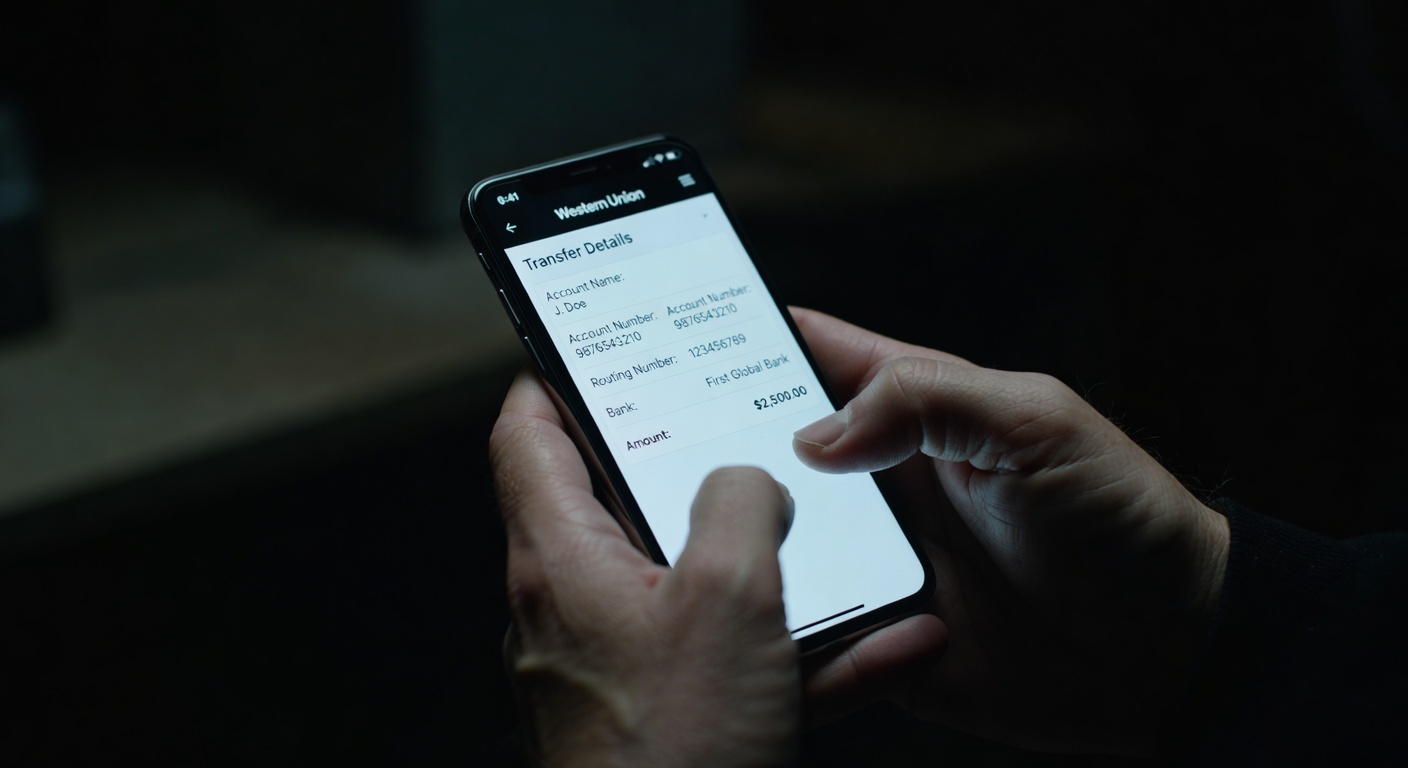
The first request came wrapped in crisis. Marcus’s project had hit a snag—local officials demanding additional permits, equipment held up in customs. His company’s finance department was being bureaucratic about advancing funds for the delays. He needed $3,000 to keep the project moving, just until the next payment came through in two weeks. He hated to ask, but Sarah was the only person he trusted completely.
I know this is awkward, and I swear I’ll pay you back the moment my company releases the funds. But these communities have been waiting two years for clean water. I can’t let them down over paperwork.
Marcus Williams, in a WhatsApp message
Sarah transferred the money that afternoon. Not because she was naive, but because she’d spent four months building a relationship with someone who seemed to genuinely care about her thoughts on everything from infrastructure policy to whether pineapple belonged on pizza. The financial request felt like an extension of their emotional intimacy—a sign that he trusted her enough to be vulnerable about his professional struggles.
Two weeks later, there was another delay. Then a medical emergency—Marcus had been hospitalized with malaria and needed funds for treatment because his insurance wouldn’t cover international medical care. Each crisis built on the last, each request slightly larger than the previous one. Sarah began liquidating her savings account, taking cash advances on credit cards, borrowing against her retirement fund. She told herself it was temporary, that Marcus would repay everything once his project concluded.
Western Union Transfer Receipt
Date: March 15, 2023
Sender: Sarah Chen
Receiver: Marcus Williams
Amount: $8,500
Purpose: Medical emergency funds
Location: Portland, OR to Accra, Ghana
The pattern continued for six months. Sarah sent $47,000 in total, money she didn’t really have but somehow found anyway. She refinanced her house, sold her car, and started shopping at discount grocery stores. When friends asked about her financial stress, she invented stories about unexpected home repairs and her daughter’s college expenses. She couldn’t explain Marcus because explaining him would require admitting she’d never actually met him, never video-chatted clearly, never even spoken to him on a reliable phone connection.

The Unraveling
The end came not with dramatic revelation but with quiet research. Sarah’s daughter Emma came home for spring break and noticed her mother’s changed circumstances—the empty refrigerator, the stack of overdue bills, the haunted look that comes from months of financial stress. When Sarah mentioned her boyfriend Marcus, Emma did what any digital native would do: she reverse-searched his photos.
The results were devastating in their simplicity. Every photo Marcus had shared belonged to David Thompson, a legitimate civil engineer whose social media accounts were public and clearly showed a man living his actual life in Melbourne with his wife and two children. The construction photos, the sunset shots, the candid images that had seemed so authentic—all stolen, all repurposed to create a fictional identity.
Mom, I’m so sorry, but Marcus isn’t real. These photos belong to someone else. This man has been lying to you about everything.
Emma Chen, to her mother
Sarah stared at the evidence on Emma’s laptop screen—David Thompson’s LinkedIn profile, his company bio, his Facebook posts from Melbourne while Marcus had been supposedly messaging her from Ghana. The timestamps revealed the impossible: Marcus had been sending her good morning messages during what would have been the middle of the night in Ghana, but perfectly normal evening hours in Lagos, Nigeria.
The confrontation happened over WhatsApp. Sarah sent screenshots of David Thompson’s social media profiles and waited. For the first time in months, Marcus’s response took hours instead of minutes. When it finally came, it was a masterpiece of deflection—he claimed someone was impersonating him, that his identity had been stolen, that he was as much a victim as she was. But his voice during their final call sounded different. Younger. More desperate. The careful British accent slipped occasionally, revealing something else underneath.
Emmanuel Okafor deleted the Marcus Williams accounts that night and began constructing a new identity. Sarah Chen was just one of dozens of women he’d simultaneously courted, but she’d been his most successful mark. Her $47,000 had funded his lifestyle for months, paid rent on a better apartment, supported his actual girlfriend and their infant son. He felt something approaching guilt about Sarah—she’d been kinder than most, more trusting, more genuinely interested in the fictional Marcus’s work and thoughts. But guilt was a luxury he couldn’t afford in his line of work.
People don’t fall in love with who you are. They fall in love with how you make them feel about themselves.
Aftermath
Sarah reported the fraud to the FBI’s IC3 division and local police, knowing the chances of recovering her money were essentially zero. Romance scams have one of the lowest recovery rates of any financial crime because the money typically leaves the country within hours of being sent. The agents were sympathetic but realistic. Emmanuel Okafor would continue his work under new identities, targeting new victims, refining his techniques based on what had worked with previous marks.
The psychological damage proved more lasting than the financial ruin. Sarah had to confront the reality that her most meaningful relationship in years had been entirely fabricated. Every intimate conversation, every shared moment of vulnerability, every expression of love—all calculated performances designed to extract maximum financial value from her loneliness. The man she’d fallen in love with had never existed at all.
Eighteen months later, Sarah has rebuilt her financial life through bankruptcy proceedings and her daughter’s help. She’s returned to dating, but cautiously, with reverse image searches and video call requirements that would have seemed paranoid before Marcus Williams entered and destroyed her world. She’s learned to read the signs she missed—the too-perfect alignment of interests, the convenient crises, the gradual escalation of requests for financial help.
But the deeper lesson is harder to articulate. Emmanuel Okafor succeeded not because Sarah was stupid or desperate, but because he understood something fundamental about human connection in the digital age. We want so badly to be known, to be understood, to matter to someone that we’ll accept a carefully constructed performance over authentic but messy reality. The perfect mark isn’t someone who’s naive—it’s someone who’s been alone long enough to mistake attention for affection, and affection for love.
Somewhere in Lagos, Emmanuel Okafor is probably crafting another identity, studying another woman’s social media presence, preparing to become exactly what she needs him to be. The technology makes it easier, but the fundamental dynamics remain unchanged. Loneliness is currency, and some people have built entire careers on spending other people’s need to be loved.
Glossary
Romance Scammer
A fraudster who creates fake romantic relationships online to manipulate victims into sending money
Catfishing
Creating a false online persona using stolen photos and fabricated personal details
IC3
Internet Crime Complaint Center, the FBI's division handling online fraud reports
Reverse Image Search
Technology that identifies the original source of photos by searching them across the internet
Western Union
Money transfer service commonly used by scammers due to its difficulty to trace and reverse
Digital Native
Someone who grew up with internet technology and intuitively understands online verification methods
Encrypted messaging app popular with international scammers for its anonymity features