How digital predators hide behind Hollywood dreams
Marcus Whitfield had the kind of face that made parents trust him with their children. Soft around the edges, wire-rimmed glasses, the sort of man who wore cardigans to coffee meetings and remembered birthdays. For twelve years, he worked as a casting director for mid-tier production companies in Los Angeles. Not the big studios, but legitimate enough. The kind of operation that cast extras for network television and background actors for streaming series nobody watched twice.
His office walls were covered with headshots. Hundreds of them. Young faces, all angles and hope, staring out from eight-by-ten glossies with names written in careful script across the bottom. ‘Thank you for believing in me!’ they’d write. ‘You changed my life!’ The gratitude was genuine. Whitfield had a reputation for giving unknowns their first break.
What nobody knew was that he kept another collection. One that required passwords and encryption software. One that the FBI’s Cyber Crimes Unit would later describe as ‘among the most methodically organized archives of sexual exploitation we’ve encountered.’
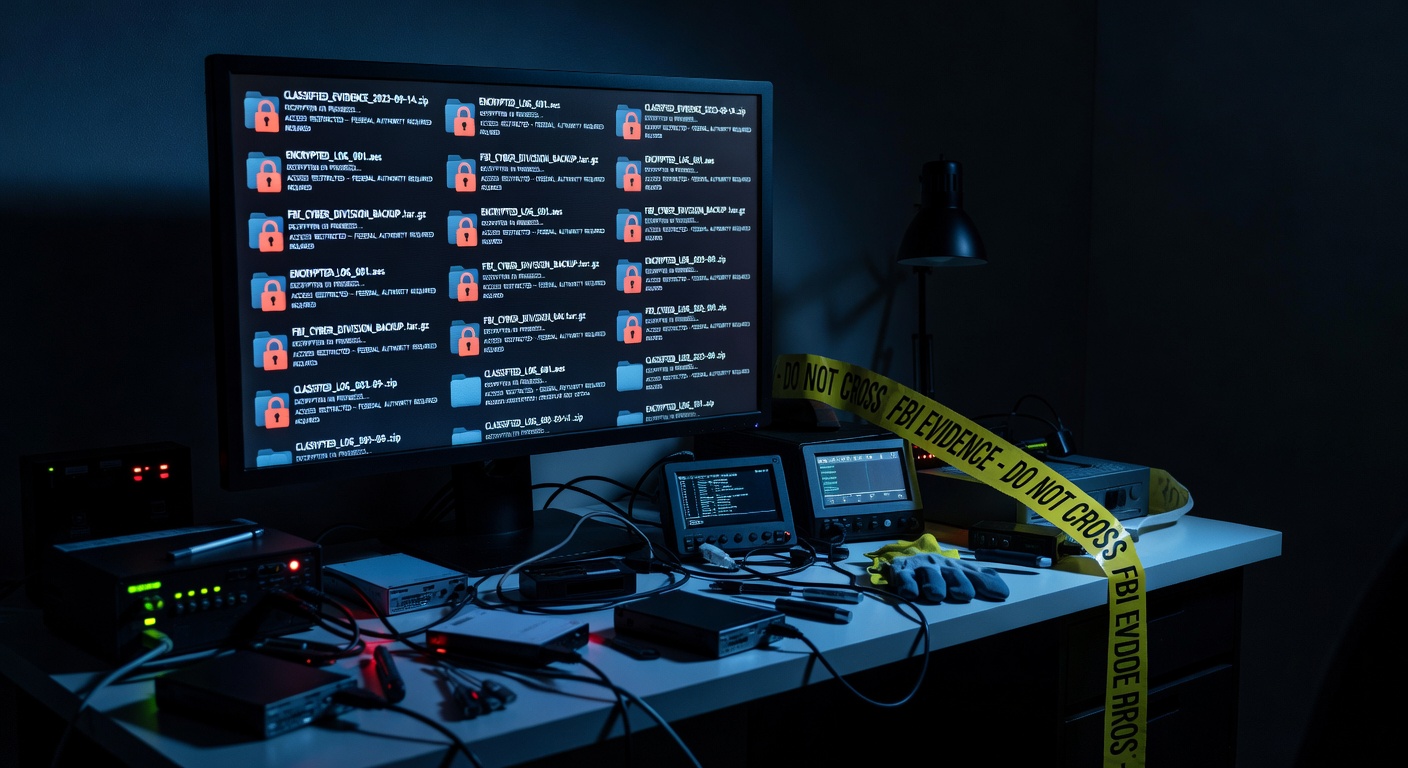
The discovery came by accident. Whitfield’s production company, Meridian Casting, was being audited for tax compliance in March 2023. The accountant needed access to digital files on the company server. Standard procedure. Whitfield was in New York for pilot season, unavailable to provide passwords for several encrypted folders on his work computer.
IT broke the encryption. They expected to find financial records, maybe some confidential casting notes. Instead, they found something that made the lead technician physically ill. Video files. Hundreds of them. All labeled with dates, names, and what the FBI would later identify as a personal rating system.
The Digital Trail
Whitfield’s method was elegant in its simplicity. He would post fake casting calls on legitimate industry websites. Not the obvious scam posts that promised fame overnight, but carefully crafted notices for actual-sounding projects. ‘Seeking fresh faces for upcoming Netflix series.’ ‘New HBO limited series casting background roles with potential for speaking parts.’ The hook was always the same: a chance to audition for something bigger than they’d ever imagined.
CONFIDENTIAL CASTING NOTICE
Project: 'MIDNIGHT SHORES' (Working Title)
Production Company: Meridian Casting
Seeking: Female, 18-25, for supporting role
NOTE: This project requires comfort with intimate scenes. Professional atmosphere guaranteed. Previous experience with mature content preferred but not required.
Please submit headshot, resume, and brief video introduction.
Respond to: casting.meridian@protonmail.com
The fake email addresses were registered through encrypted services. The projects were convincing because Whitfield knew the industry. He’d name-drop real directors he’d worked with, reference actual shows his company had cast. He understood exactly how to make desperation look like opportunity.
But here’s what separated Whitfield from other predators: he didn’t just want to exploit these young actors. He wanted to study them. Every interaction was recorded, catalogued, analyzed. He kept detailed notes on their reactions, their body language, their breaking points. It wasn’t enough to victimize them. He wanted to understand the precise mechanics of how hope turned into compliance.
The Audition Process
Sarah Chen was twenty-two when she responded to one of Whitfield’s casting calls. Recent graduate from UCLA’s theater program, working three jobs to pay rent in North Hollywood. She’d been sending out headshots for eight months with nothing to show for it except form rejection emails. When Meridian Casting contacted her about an audition for ‘Midnight Shores,’ she thought her luck had finally changed.
He seemed so professional at first. Asked all the right questions about my training, my experience. Made me feel like he saw something special in me that other casting directors had missed.
Sarah Chen, victim testimony
The initial meeting was in his office. Legitimate surroundings, industry credentials on the wall, signed photos from recognizable actors. Chen felt comfortable enough to agree to a callback audition. That’s when Whitfield suggested they meet at a private studio space he rented for ‘sensitive material.’ More privacy, he explained. Better environment for exploring the character’s emotional depth.
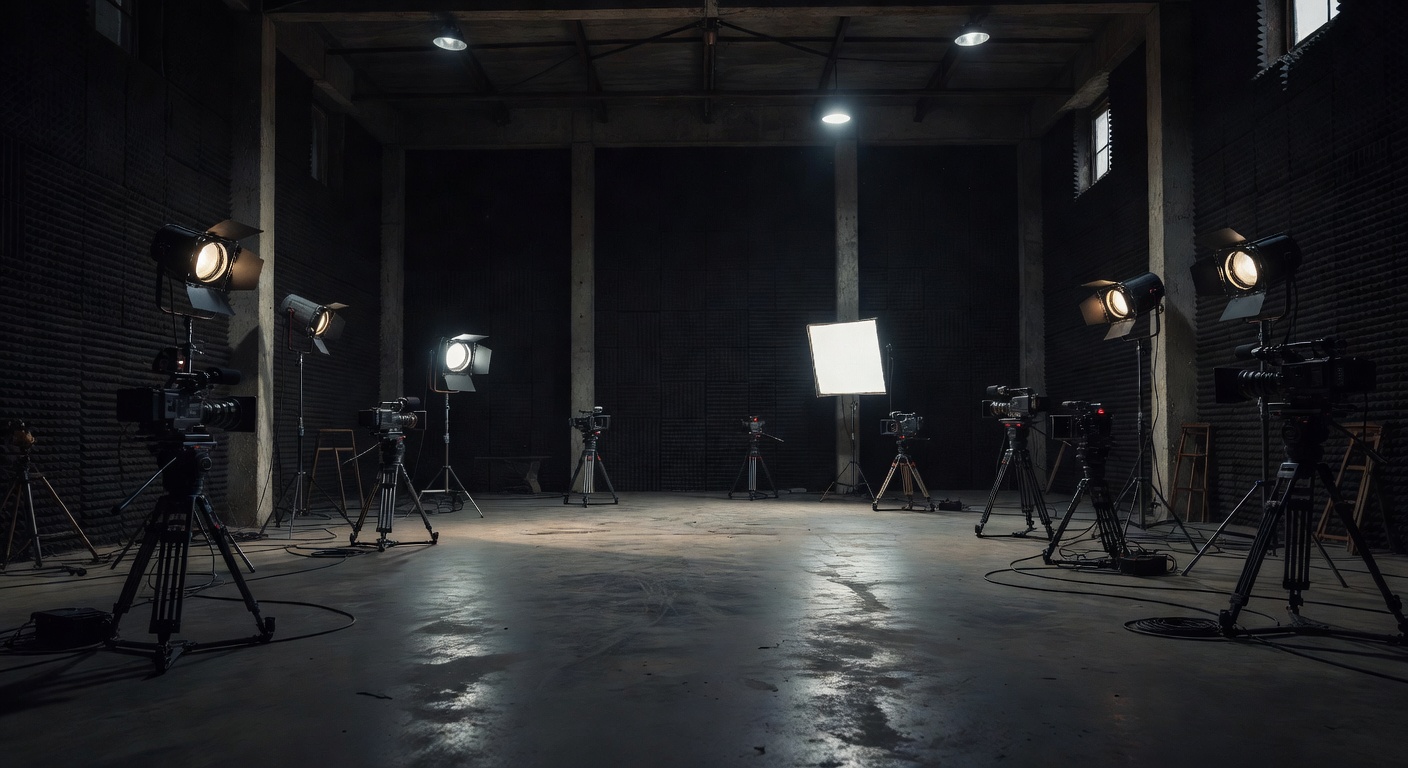
The studio was a converted warehouse in Burbank. Soundproofed walls, professional lighting equipment, multiple cameras. It looked like a real film set. Because in many ways, it was. Whitfield was making films. Just not the kind he advertised.
The sessions always started the same way. Whitfield would have the actor run through conventional scenes first. Shakespeare monologues, commercial copy, standard audition material. He’d offer feedback, build rapport, establish his credibility as someone who could help their career. Only then would he introduce the ‘intimate material’ that the role supposedly required.
The escalation was gradual. ‘The character needs to show vulnerability here. Can you remove your jacket?’ Then: ‘This scene requires physical intimacy. We need to see how comfortable you are with that.’ Each request was framed as a professional necessity, a standard industry practice that serious actors needed to embrace.
The Files
What made Whitfield’s crimes particularly disturbing wasn’t just the exploitation itself, but his obsessive documentation of it. Every victim’s file contained not just the recorded sessions, but detailed psychological profiles. He tracked their responses to different types of manipulation. He noted which approaches worked best on which personality types. He was conducting research.
File: SARAH_C_032623
Age: 22
Background: Theater major, financially desperate
Initial resistance level: Medium-high
Effective pressure points: Career advancement, professional validation
Breaking point: Session 3, 14:32 timestamp
Notes: Responds well to authority figures. Father issues likely. Recommend similar approach for future subjects with comparable profiles.
The FBI eventually recovered over 300 individual victim files spanning nearly a decade. Each one contained hours of footage, detailed notes, and what investigators described as ‘performance reviews’ rating the victim’s compliance and emotional breakdown. Whitfield had turned sexual predation into a systematic study of human psychology under duress.
He wasn’t just a predator. He was collecting data on how to be a better predator.
FBI Special Agent Rebecca Torres
The files revealed something else troubling: Whitfield had been sharing his methods. Encrypted communications showed him corresponding with other individuals, trading techniques and comparing results. He’d created a network of digital predators who used his casting director model in other cities, other industries. The investigation eventually expanded to include suspects in Atlanta, Chicago, and Miami.
The Unraveling
By the time police arrested Whitfield at LAX in April 2023, he’d already destroyed most of his physical evidence. But digital files are harder to eliminate completely. The FBI’s forensic team recovered terabytes of data from his computers, phones, and cloud storage accounts. The evidence painted a picture of a man who’d spent over a decade perfecting the art of psychological manipulation.
During interrogation, Whitfield showed no remorse for his victims. Instead, he seemed genuinely puzzled by the charges. In his mind, he’d been providing a service. These young actors wanted success badly enough to compromise their boundaries. He was simply facilitating that exchange. The fact that he recorded everything was, in his words, ‘quality control.’
They all knew what they were getting into. Nobody forced them to come back for second sessions. I gave them opportunities they wouldn’t have gotten anywhere else.
Marcus Whitfield, police interview transcript
The statement revealed the depth of his self-deception. Whitfield had convinced himself that coercion was collaboration, that exploitation was opportunity. He’d spent so long studying his victims’ psychology that he’d lost touch with his own.
The trial lasted six months. Forty-three victims testified, though investigators believe the actual number was much higher. Many never came forward, either because they’d moved away from Los Angeles or because the shame was too great. Others had convinced themselves, like Whitfield had, that their participation was somehow voluntary.
In November 2023, Marcus Whitfield was sentenced to twenty-five years in federal prison. The judge noted that his crimes went beyond individual acts of exploitation. He’d corrupted an entire system, turning legitimate industry practices into tools of abuse. His methodical documentation of the crimes suggested a level of premeditation that warranted the maximum sentence.
Sarah Chen, now working as a victim advocate, testified at his sentencing hearing. She spoke about the lasting damage of being reduced to data points in someone else’s twisted research project. About learning to trust her instincts again, to distinguish between legitimate opportunity and predatory manipulation. About understanding that some people can look you in the eye and lie so smoothly that the lie becomes indistinguishable from truth.
He taught me that the most dangerous predators are the ones who make you feel grateful for the opportunity to be their victim.
Sarah Chen
The entertainment industry has since implemented new safeguards for casting processes. But the fundamental vulnerability remains: young people with big dreams and empty bank accounts, willing to trust anyone who promises to help them succeed. Predators like Whitfield understand this psychology better than most. They study it, catalog it, and exploit it with the precision of a scientist and the conscience of a sociopath.
Glossary
Casting Director
Industry professional responsible for finding and auditioning actors for specific roles in productions
Encrypted Files
Digital files protected by security software that requires passwords or keys to access
Pilot Season
Period in television production when networks film test episodes for potential new series
Headshots
Professional photographs used by actors to market themselves to casting directors and agents
Background Actor
Non-speaking performer who appears in scenes to create realistic environments
Callback Audition
Second audition offered to actors who made a strong first impression
ProtonMail
Encrypted email service that provides additional privacy and security for communications
Forensic Recovery
Process of retrieving deleted or hidden digital data for criminal investigations