When the official timeline crumbled, a small town's darkest secrets surfaced
The call came in at 11:47 PM on a Tuesday in March. Officer Bradley Chen had pulled over a silver Honda Accord on Route 9, just outside Millfield’s town limits. Standard procedure. Broken taillight, expired registration—the kind of stop that fills out paperwork and keeps the department’s numbers looking good. By 12:15 AM, Bradley Chen was dead, and the driver of the Honda was gone.
That’s the official timeline. The one Sheriff Malcolm Garrett presented to the press three days later, standing behind a podium that had seen better decades, his uniform crisp enough to cut glass. The same timeline that appeared in every newspaper from here to the state capital. Clean. Simple. Tragic.
The problem is, it’s complete bollocks.
The Night Shift
I’d been covering crime in small-town America for fifteen years when I first heard about the Chen case. Enough time to recognize when a story smells wrong, and this one reeked from day one. The details were too neat, the timeline too convenient, and the silence from the Millfield Police Department too absolute.
Bradley Chen was twenty-six, fresh out of the academy, working nights to pay off student loans. Clean record, clean conscience—the kind of cop who actually believed in the job. His partner that night was supposed to be Officer Janet Reeves, but she’d called in sick at the last minute. Food poisoning, according to the report. Chen went out alone.
Bradley was excited about the job. Said he wanted to make a difference in a small town where people still knew each other’s names.
Maria Chen, Bradley's sister
The Honda’s driver was listed as Marcus Webb, thirty-four, unemployed, with a record stretching back to juvenile detention. Assault, theft, drug possession—the usual spiral. According to Sheriff Garrett, Webb shot Chen during the traffic stop, then fled on foot into the woods that bordered Route 9. They found Chen’s body at 12:15 AM. They never found Webb.
That should have been the end of it. Another cop killed in the line of duty, another criminal who got away. Except for one problem: Marcus Webb had been dead for three months.

The Unraveling
I found Webb’s death certificate buried in the county records office, filed under a different spelling of his last name. Overdose in December, body found in a condemned building two towns over. Positive identification through dental records. Marcus Webb couldn’t have shot Bradley Chen because Marcus Webb was already in the ground.
When I brought this to Sheriff Garrett, he looked at me like I’d just asked him to explain quantum physics. Stammered something about clerical errors and promised to look into it. That was six weeks ago. He’s still looking, apparently.
EMAIL THREAD - MILLFIELD PD
From: j.reeves@millfieldpd.gov
To: m.garrett@millfieldpd.gov
Subject: Chen incident - timeline issues
Date: March 15, 11:23 PM

Mal - We need to talk. The story doesn't match what I saw that night. Call me.

---

From: m.garrett@millfieldpd.gov
To: j.reeves@millfieldpd.gov
Subject: RE: Chen incident - timeline issues
Date: March 16, 6:45 AM

Stick to the official report. That's an order.
Those emails came from a source I can’t name—someone inside the department who grew tired of watching good people get buried under lies. Janet Reeves hadn’t been sick that night. She’d been there, at the scene, and what she saw didn’t match the story her boss was telling the world.
What Janet Saw
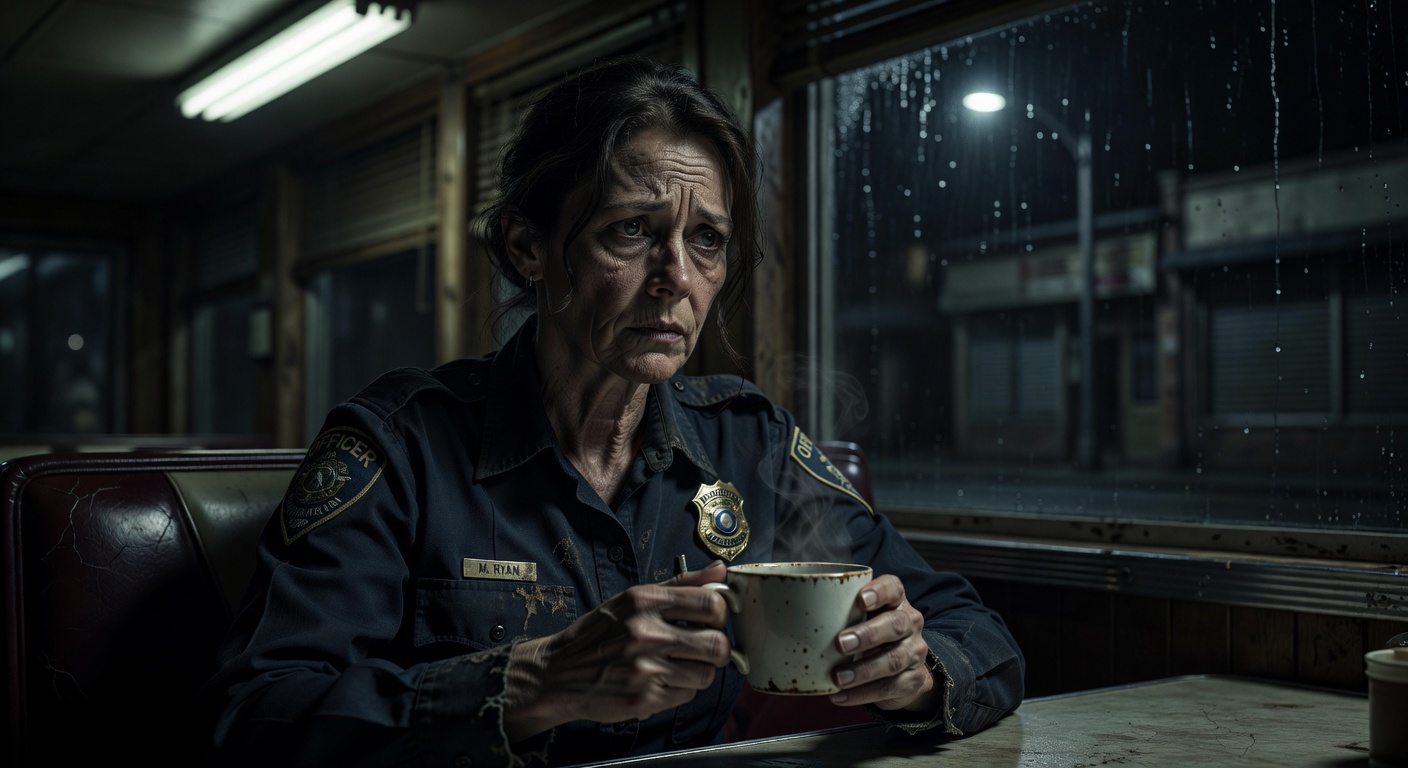
I found Janet Reeves at a diner forty miles from Millfield, her hands wrapped around a coffee cup like it was the only thing keeping her anchored to earth. She’d taken early retirement two weeks after Chen’s death—fifteen years on the force, pension gone, career over. She looked like someone who’d seen too much and couldn’t forget any of it.
I wasn’t sick that night. I was there. I saw what happened, and it wasn’t some random traffic stop gone wrong.
Janet Reeves, former Millfield PD officer
According to Reeves, she and Chen had been following a tip about drug activity on Route 9. Not a random patrol—a specific operation based on intelligence from a confidential informant. They’d set up surveillance near the old Miller farm, watching for vehicles that matched descriptions from previous drug interdictions.
The silver Honda wasn’t random either. It belonged to Tommy Castellano, nephew of city councilman Frank Castellano, and it was carrying more than just a broken taillight. When Chen approached the vehicle, Tommy panicked. The gun went off during a struggle. Chen went down. Tommy ran.
Sheriff Garrett showed up before the ambulance. Before backup. Before anyone else knew what had happened. He took one look at the scene and started making phone calls.
Janet Reeves
Those phone calls, Reeves said, weren’t to dispatch or the state police. They were to Frank Castellano. Within an hour, the scene had been sanitized, the Honda had disappeared, and Tommy Castellano was on a bus to Florida with a new identity and enough cash to start over.
They turned a drug dealer into a victim and a dead cop into a statistic.
Janet Reeves
The Castellano Connection
Frank Castellano had been Millfield’s most powerful city councilman for over twenty years. Construction contracts, zoning permits, police budgets—nothing moved in town without his approval. His nephew Tommy was supposed to be the family success story, college-educated and clean-cut, destined for bigger things than small-town politics.
Instead, Tommy had developed a taste for cocaine and a talent for dealing it. The family had covered for him before—minor arrests that disappeared, charges that never stuck, witnesses who suddenly forgot what they’d seen. But shooting a cop was different. That required a bigger lie, a more elaborate cover-up.
The Marcus Webb identity wasn’t chosen randomly. Webb’s criminal record made him the perfect patsy—a violent repeat offender who’d disappeared from the system months earlier. His death had been quietly buried in bureaucratic paperwork, his fingerprints and mugshot still active in police databases. On paper, he was the ideal suspect for killing a cop.
BANK RECORDS - CASTELLANO CONSTRUCTION
March 13: Wire transfer - $75,000 - F. Castellano to T. Castellano
March 14: Cash withdrawal - $25,000 - T. Castellano
March 15: Account closure - T. Castellano

Note: All transactions occurred 24-48 hours before Chen shooting
The money trail was cleaner than most, but not clean enough. Frank Castellano had liquidated assets, moved cash, and set up his nephew’s escape route before the shooting even happened. Either he was psychic, or the Chen killing wasn’t as spontaneous as the official report claimed.
The Cover-Up Unravels
Sheriff Garrett’s career had been built on Frank Castellano’s backing. Campaign contributions, political endorsements, favorable contracts for the department—it was a symbiotic relationship that had lasted decades. When Tommy Castellano shot Bradley Chen, Garrett had a choice: arrest the nephew of his political patron, or bury the truth deep enough that it would never surface.
He chose burial. But graves have a way of opening when you don’t dig them deep enough.
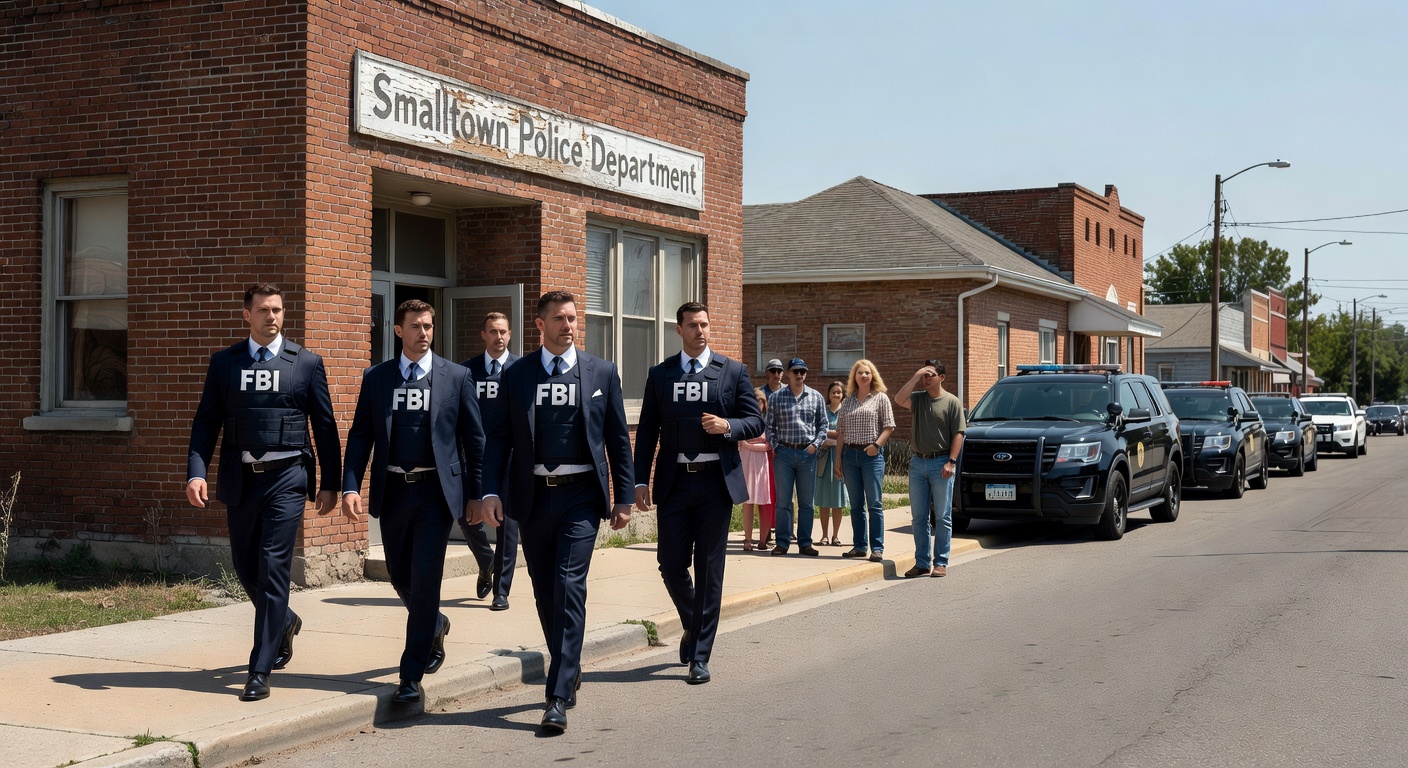
The FBI task force arrived in Millfield on a Thursday morning in August, five months after Chen’s death. They’d been building a corruption case against the Castellano family for two years, focusing on construction fraud and municipal contract rigging. The Chen murder was supposed to be a footnote—until they realized the official timeline was impossible.
When we discovered that the alleged shooter had been dead for months, we knew we were looking at something much bigger than municipal corruption.
FBI Special Agent Sarah Martinez
Tommy Castellano was arrested at a Miami Beach hotel, living under the name Michael Torres and working as a bartender at a club his uncle’s money had helped him buy. He’d been there since March 16th—the day after Bradley Chen died. The hotel records, the employment documents, the bank deposits—all of it carefully documented and completely illegal.
Justice, Eventually
The trials took eighteen months. Tommy Castellano pleaded guilty to manslaughter and received twelve years. Frank Castellano was convicted of conspiracy, obstruction of justice, and corruption—twenty-five years, though he’ll likely die in prison before serving half of it. Sheriff Garrett got fifteen years and lost his pension.
Janet Reeves testified at every trial, her voice steady and clear as she described what really happened that night on Route 9. The defense attorneys tried to discredit her, painting her as a disgruntled ex-cop with an axe to grind. The juries didn’t buy it.
Bradley Chen deserved better than becoming a footnote in someone else’s cover-up. His family deserved the truth.
Janet Reeves, during testimony
The Millfield Police Department was placed under federal oversight, its leadership replaced, its practices reformed. The changes came too late for Bradley Chen, but they might prevent the next young cop from being sacrificed on the altar of small-town corruption.
Marcus Webb’s grave got a proper headstone, paid for by an anonymous donor. His family finally knew where he was buried and when he’d really died. Small mercies, but mercies nonetheless.
The timeline still doesn’t add up—not the official one. But the truth has its own timeline now, carved in court records and prison sentences and the testimony of people who refused to let lies stand as history. Sometimes that’s enough. Sometimes that has to be enough.
Glossary
Route 9
Rural highway running through Millfield, site of Officer Chen's death
Millfield Police Department
Small-town police force later placed under federal oversight for corruption
Marcus Webb
Deceased man whose identity was used to frame a dead suspect for Chen's murder
Frank Castellano
Powerful city councilman who orchestrated the cover-up to protect his nephew
Tommy Castellano
Drug dealer and actual killer of Officer Chen, nephew of Frank Castellano
Janet Reeves
Former police officer who witnessed the real events and testified against the cover-up
Federal Oversight
FBI supervision of local police departments following corruption investigations